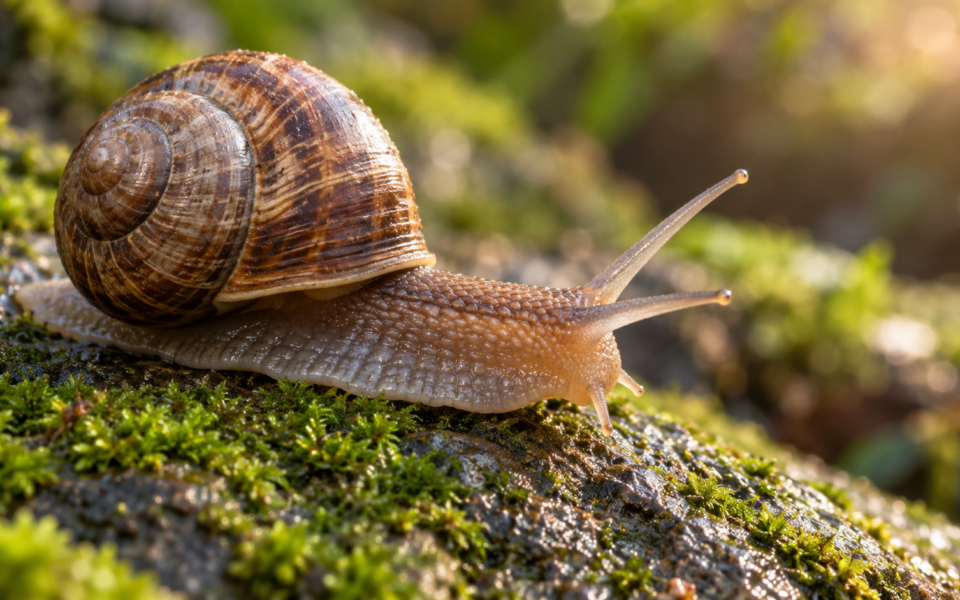
Your snail hasn’t moved since yesterday, and now you’re staring at it wondering if it’s resting or gone. Knowing how to tell if a snail is dead saves you from two bad outcomes: throwing away a live snail, or leaving a dead one to foul the water. Here are five simple checks, in the order I’d run them, plus what to do next.
Written by Arshdeep Singh, who has kept freshwater aquarium snails for five years.
How Can You Tell if a Snail Is Dead? The Quick Answer
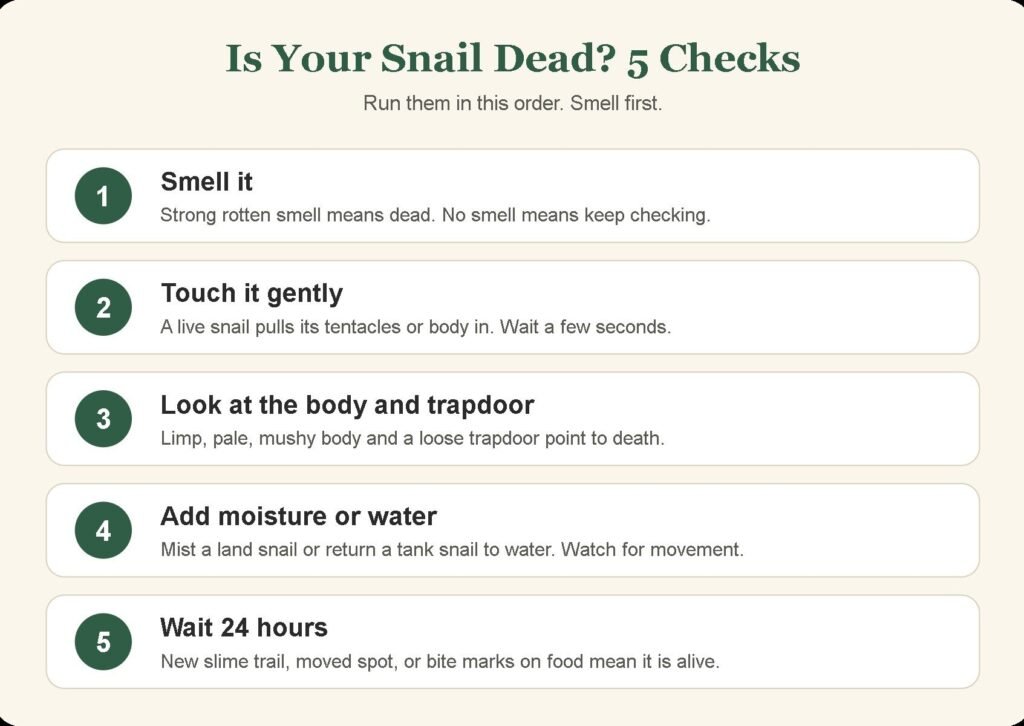
A dead snail smells strongly rotten, hangs limp or mushy out of its shell, and doesn’t react when you touch it gently. A live but inactive snail has no bad smell, stays firm in its shell, and slowly reacts to touch or moisture. If the signs don’t agree, wait 24 hours before you decide.
Check 1: Smell the Snail
This is the one I trust most. Pick up the snail (or the shell, if it’s in a tank) and hold it near your nose for a second.
A dead snail gives off a sharp, rotten smell, a lot like spoiled seafood. You won’t need to guess. A live snail smells like almost nothing, maybe a little earthy or fishy.
One catch: a snail that died only a few hours ago may not smell yet. Warm water speeds things up, so in a heated tank the smell often shows up within a day. No smell means “not confirmed,” not “alive.” Move on to the next check.
Check 2: Touch It Gently
Wet your finger first, because dry skin can hurt a snail’s soft body. Then lightly touch the tentacles or the edge of the foot.
A live snail reacts. The tentacles pull in, the body tightens, or the whole snail slides back into the shell. The reaction can be slow, especially in cold water, so give it a few seconds.
If you have an aquarium snail, don’t pull it out of the water just for this test. Nudge the shell with a spoon handle or tweezers instead. And never poke hard. A snail that feels pressure and can’t move away is stressed, and you’re not learning anything useful.
Check 3: Look at the Body and the Trapdoor
Many water snails and some land snails have a small hard plate on the back of the foot called the operculum. Think of it as a trapdoor. When a snail pulls in, the trapdoor shuts tight.
Here’s what to look for:
- The trapdoor hangs open or looks loose, and the snail doesn’t pull it shut.
- The body hangs out of the shell, looks pale or gray, and feels soft or mushy.
- The body seems to be breaking apart.
- Other snails or shrimp are crowding around it and eating the soft body.
That last one is a strong clue. Tank mates that normally ignore a resting snail rarely ignore a dead one.
A snail that’s tucked deep inside with the door closed is a different story. That’s usually a snail protecting itself, not a dead one.
Check 4: Add Moisture or Water
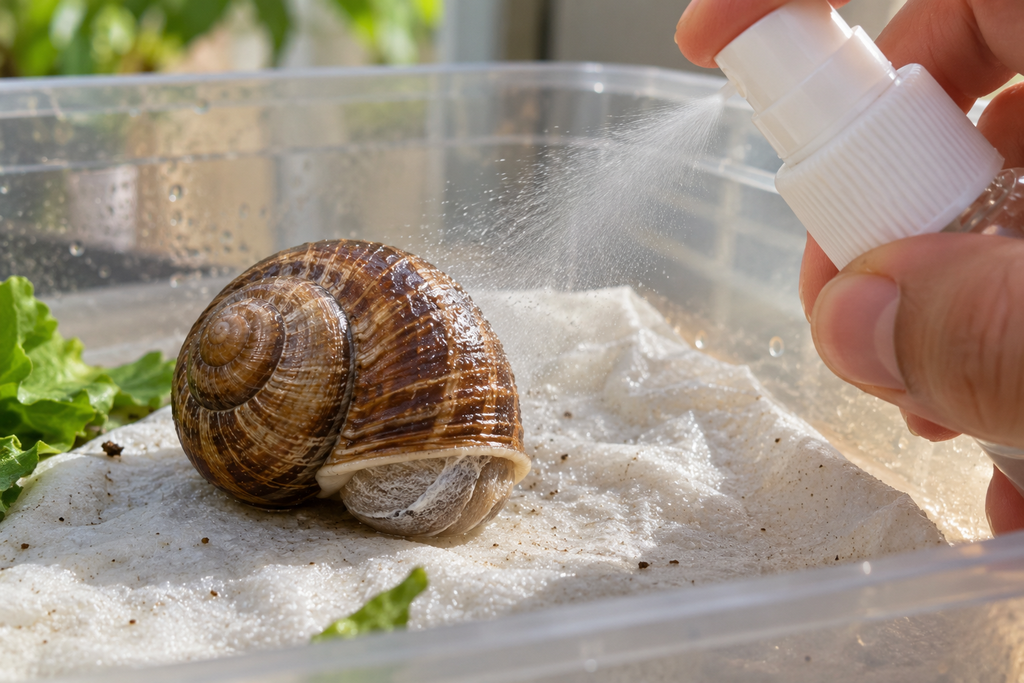
Snails shut down when conditions get dry or cold. Garden snails seal the shell opening with a thin dried film of mucus, and it can make a sleeping snail look exactly like a dead one.
For a land snail, lightly mist it with room-temperature water and set it in a covered container with a damp paper towel. Mist, don’t soak. Within a few minutes to a few hours, a live snail often starts to loosen the seal and move.
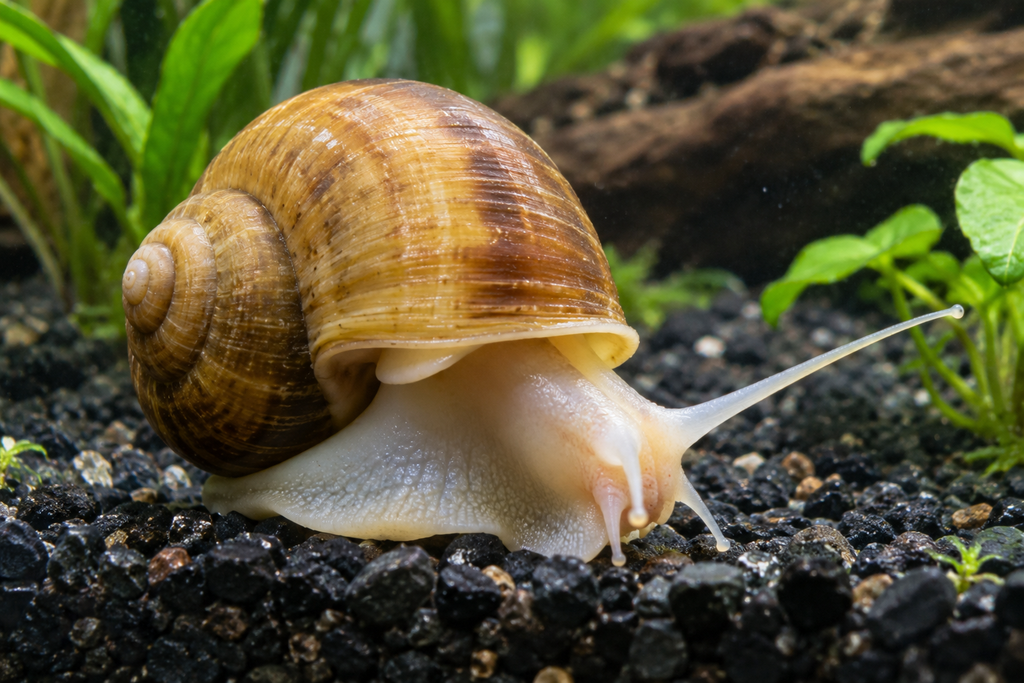
For an aquarium snail that ended up out of the water, put it back in the tank, near the surface, and watch it. If it lives, you’ll usually see the tentacles slowly come out.
If there’s zero change after this, you can be more confident it’s dead, especially if the smell test was also off.
Check 5: Wait 24 Hours and Watch
If the first four checks gave mixed results, don’t guess. Give it time.
Skip this step if you smelled rot. A dead snail should come out right away.
Otherwise, set up a simple test. Mark the snail’s spot (a dry-erase marker on the outside of the glass works well), and place a small piece of blanched cucumber or zucchini within reach. After a day, look for these signs of life:
- The snail moved from its spot.
- There’s a fresh slime trail.
- The food has bite marks or rasp marks.
- The shell is in a new position.
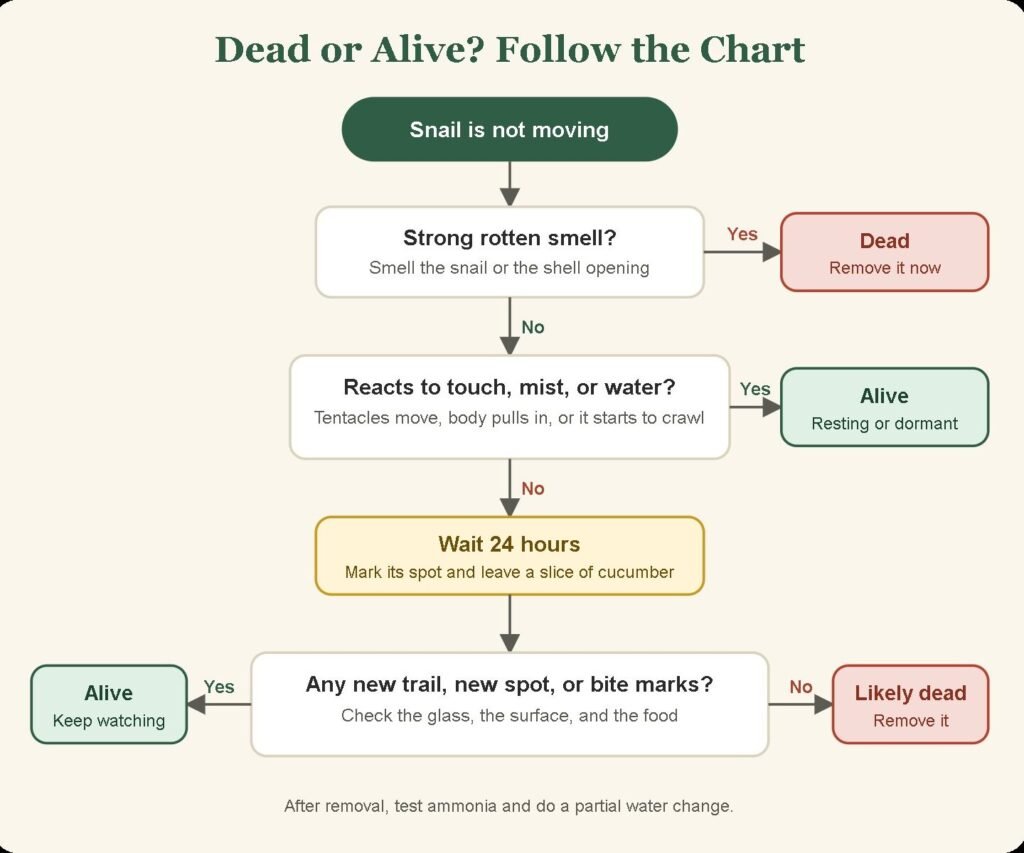
Nothing changed and the smell has started? It’s dead.
Dead or Just Resting? A Quick Comparison
| Sign | Dead snail | Resting snail |
| Smell | Strong, rotten | None or very mild |
| Body | Limp, pale, mushy | Firm, tucked in or extended |
| Trapdoor | Loose or open | Closed tight |
| Touch | No reaction | Slow pull back |
| Moisture or water | No change | Starts to move |
| Tank mates | Feeding on it | Ignore it |
| After 24 hours | Same spot, smell worse | New trail or new position |
False Alarms That Fool People
A few common situations look like death but aren’t.
Nerite snails often sit still for a day or more, and they sometimes land on their backs and can’t flip over. If you find one upside down, gently turn it over and watch it for an hour. I’ve seen more than one “dead” nerite crawl away after being flipped.
Mystery snails sometimes float at the surface because air is trapped in the shell. Floating alone doesn’t mean dead. Run the smell and touch checks first. If you also spot a pink clutch above the waterline, those are mystery snail eggs, not a warning sign.
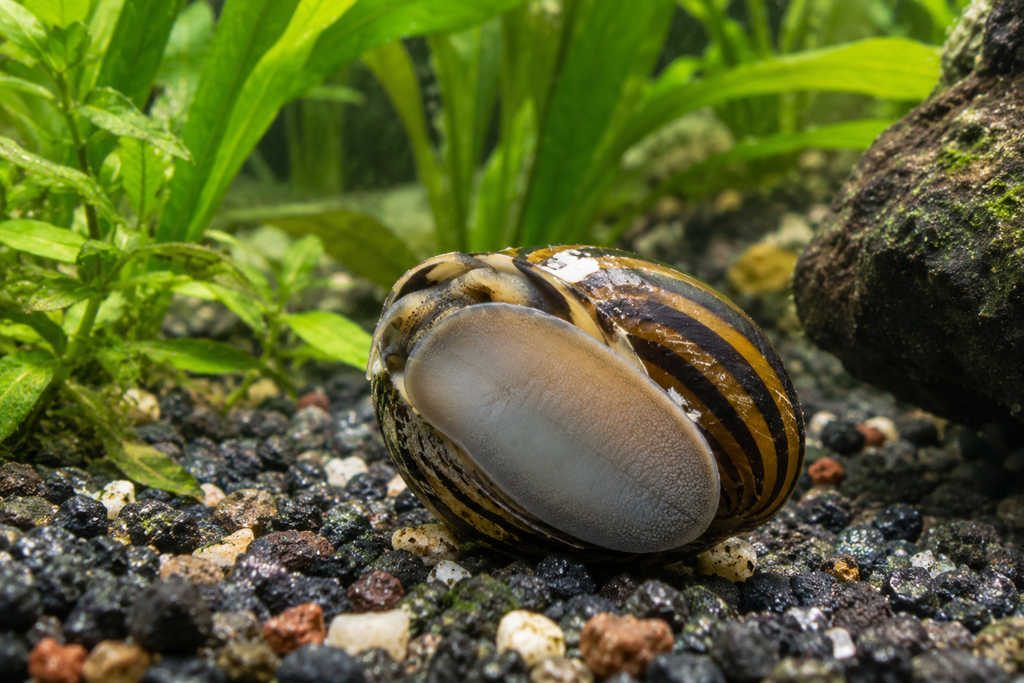
New snails can stay still for a day or two after you add them. A change in water temperature or chemistry is a big shock, so give them time to settle before you worry.
Garden snails in cold or dry weather seal up and stay put. Extension researchers note that they overwinter inside the shell, so if the weather is cold or dry, assume dormant until proven otherwise.
What to Do Once You’re Sure It’s Dead
Don’t leave it. A dead snail breaks down fast, especially in a warm tank, and the rotting body can raise ammonia. In a closed tank, nitrogen compounds like ammonia can quickly reach toxic levels, which puts the rest of your tank at risk.
- Remove it right away. Use a net or tongs. Don’t flush it down the toilet, since a non-native snail can end up in local waterways. Put it in the trash.
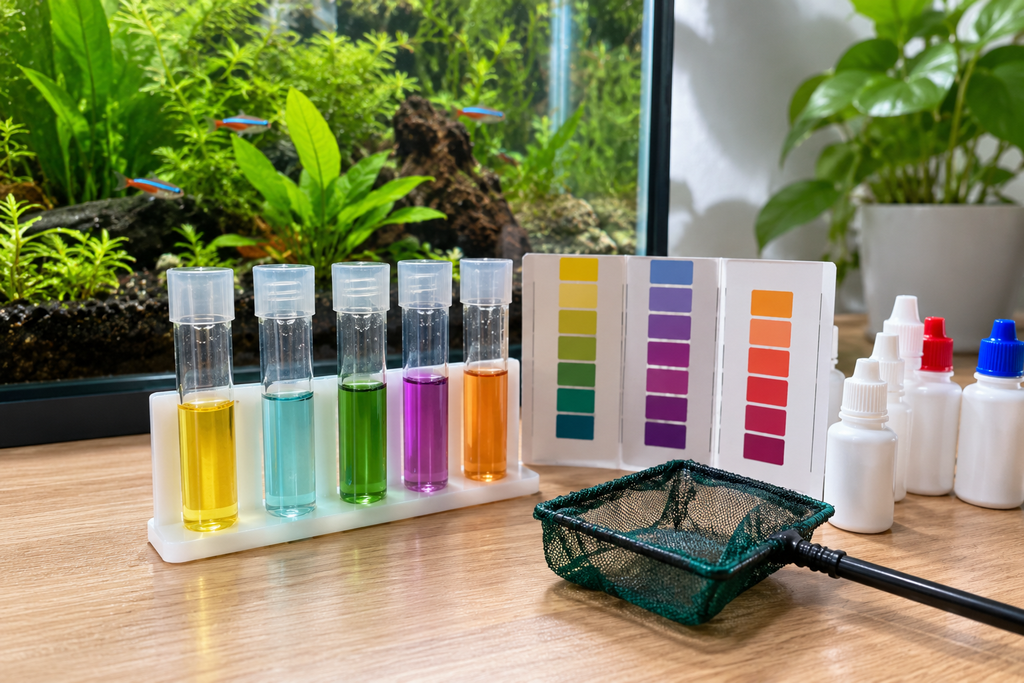
- Test your water. Check ammonia and nitrite. Any ammonia reading above zero is a reason to act.
- Do a partial water change. A change of about 25 to 30 percent with dechlorinated water is a safe, common fix after a die-off.
- Check the other animals. Look at your other snails, shrimp, and fish for the same signs.
- Look for the cause. One death can be old age. Two or more means something is wrong with the tank.
Why Do Snails Die?
The usual causes are easy to check:
- Poor water quality. Ammonia and nitrite spikes hurt snails quickly.
- Copper. Some fish medications, plant treatments, and tap water carry copper, and it’s toxic to snails.
- Soft, acidic water. Low calcium makes shells thin and pitted over time.
- Sudden temperature swings. Fast changes shock them.
- Old age. Many common aquarium snails only live about one to three years.
- Pesticides and slug pellets. For garden snails, these are a leading cause of sudden death.
Frequently Asked Questions
Do dead snails smell?
Yes. A dead snail gives off a strong rotten smell, often within a day, and faster in warm water. A snail that has died very recently may not smell yet, so use other checks too.
How long can a snail stay still before it’s dead?
It depends on the species and conditions. Many healthy snails stay still for a day or two, and dormant garden snails can stay sealed up for weeks or months. Stillness alone isn’t proof of death, so check smell and body condition.
What does a dead snail look like?
The body often hangs loosely out of the shell or looks pale, gray, and mushy. The trapdoor may be loose or open, and the flesh may be breaking apart. A live resting snail stays firm and tucked in.
Can a snail come back to life?
No, a dead snail can’t come back. But a dormant or sleeping snail can look dead and then wake up when it gets moisture or warmth. That’s why the water, moisture, and 24-hour checks matter.
Is a snail that’s floating dead?
Not always. Some snails, like mystery snails, float because of trapped air in the shell. Check for smell and a reaction to touch before you decide.
Final Word
When in doubt, don’t toss it. Run the smell test first, add the touch and moisture checks, and give a full day to the ones you can’t call. Then spend a few minutes on the water, because that’s usually where the answer to “why did it die” lives. If your snail turns out to be alive but still, read why your snail is not moving. If the shell looks damaged, see our guide to a cracked snail shell.
